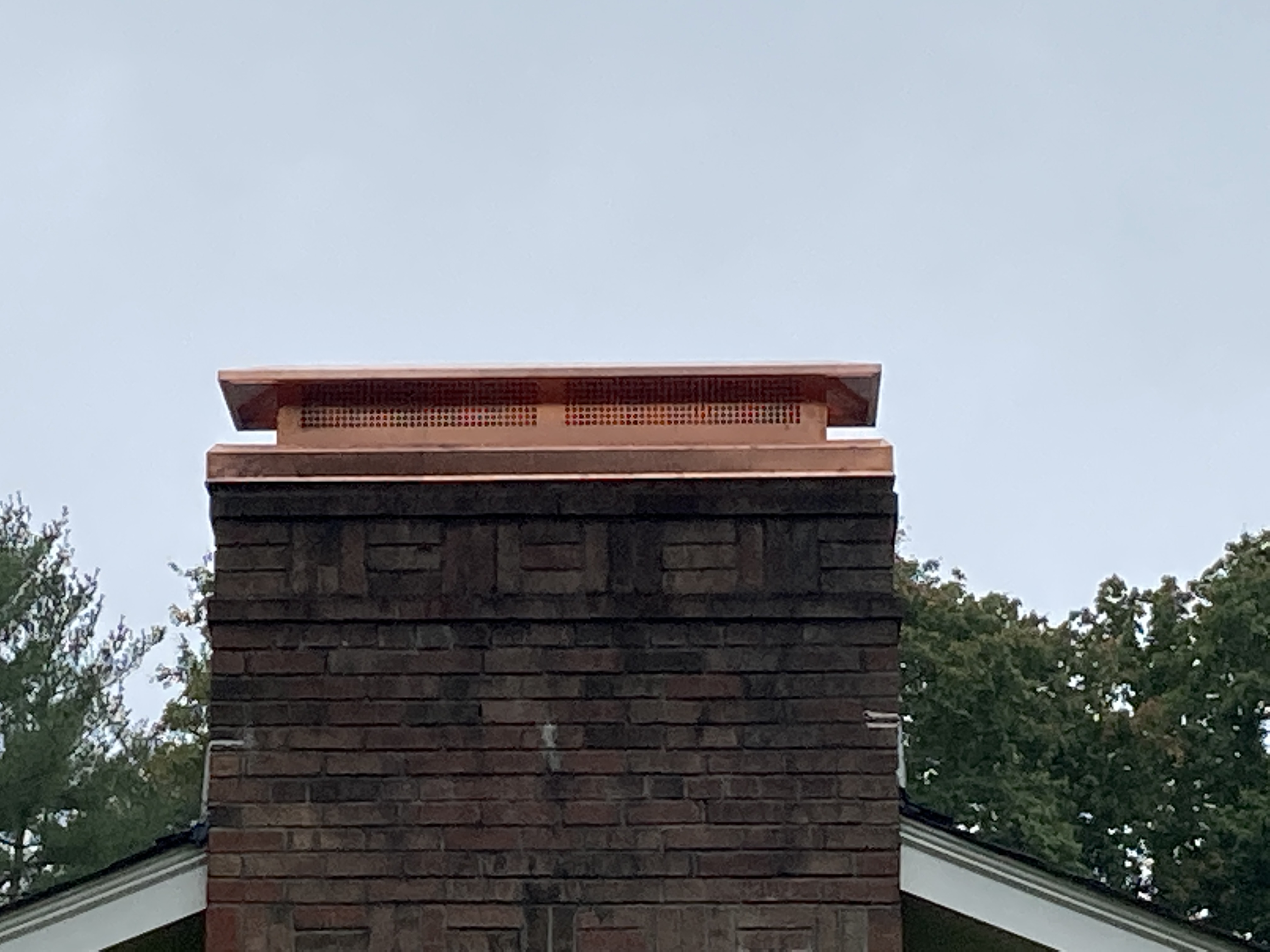
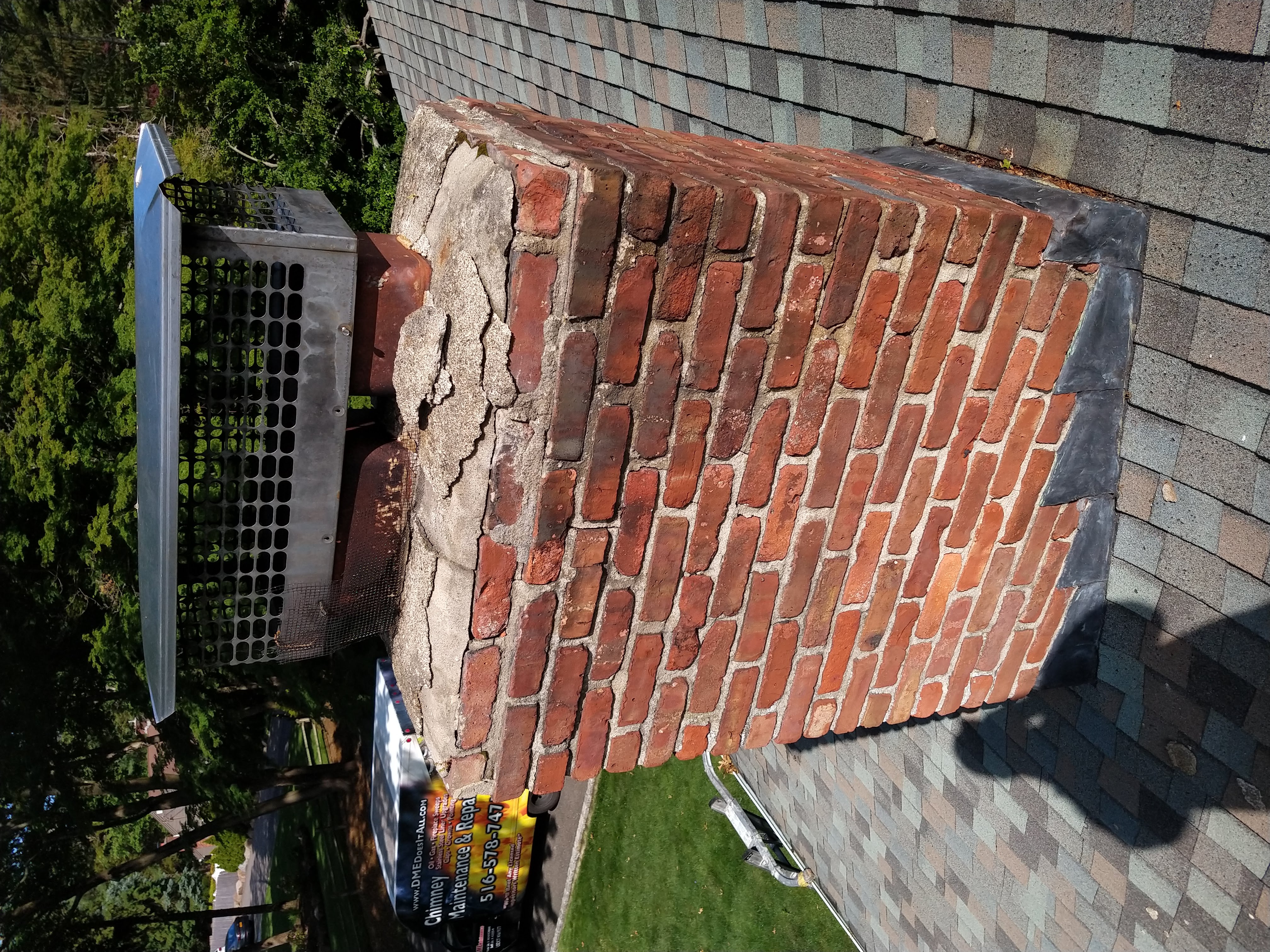
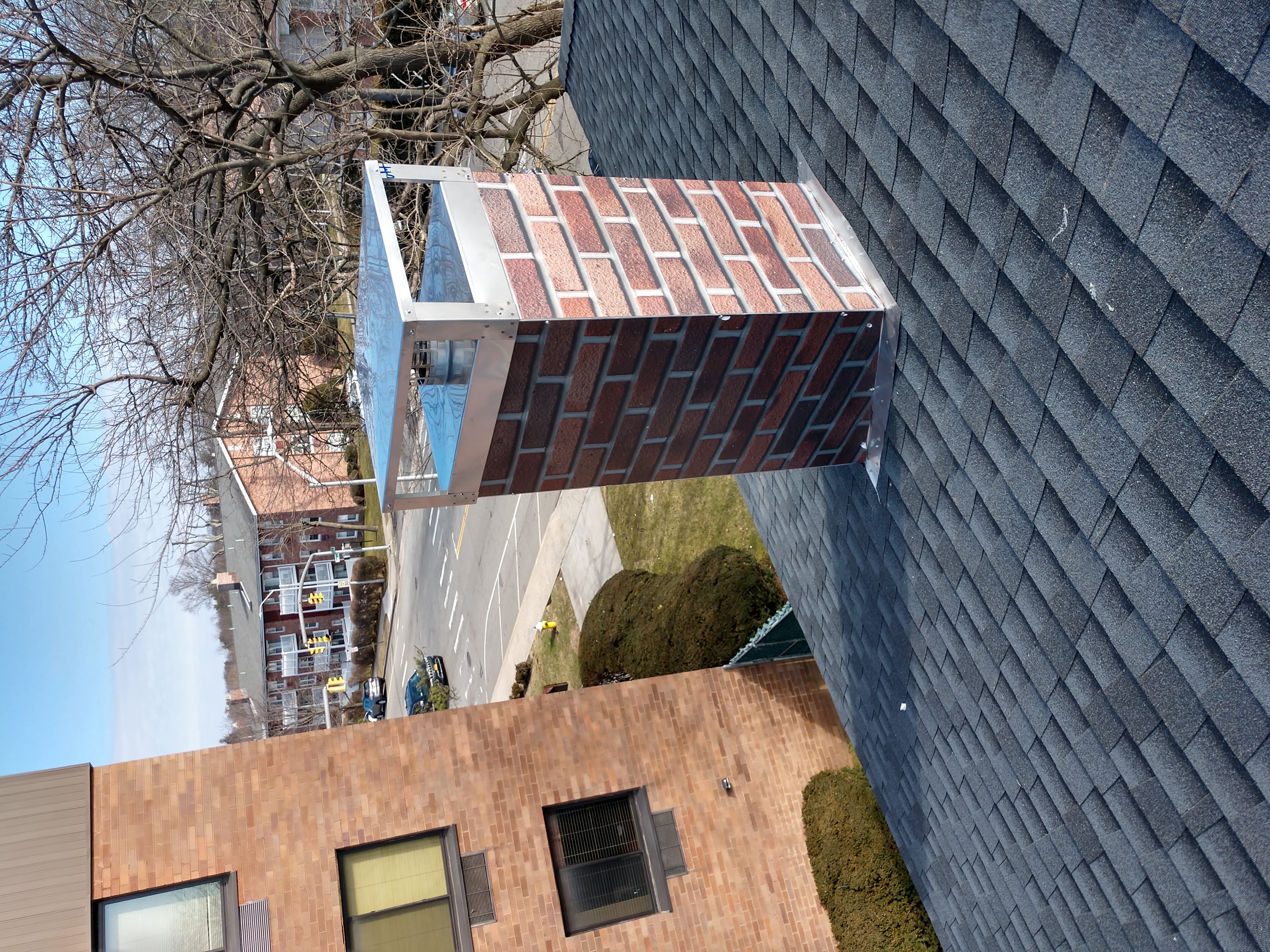
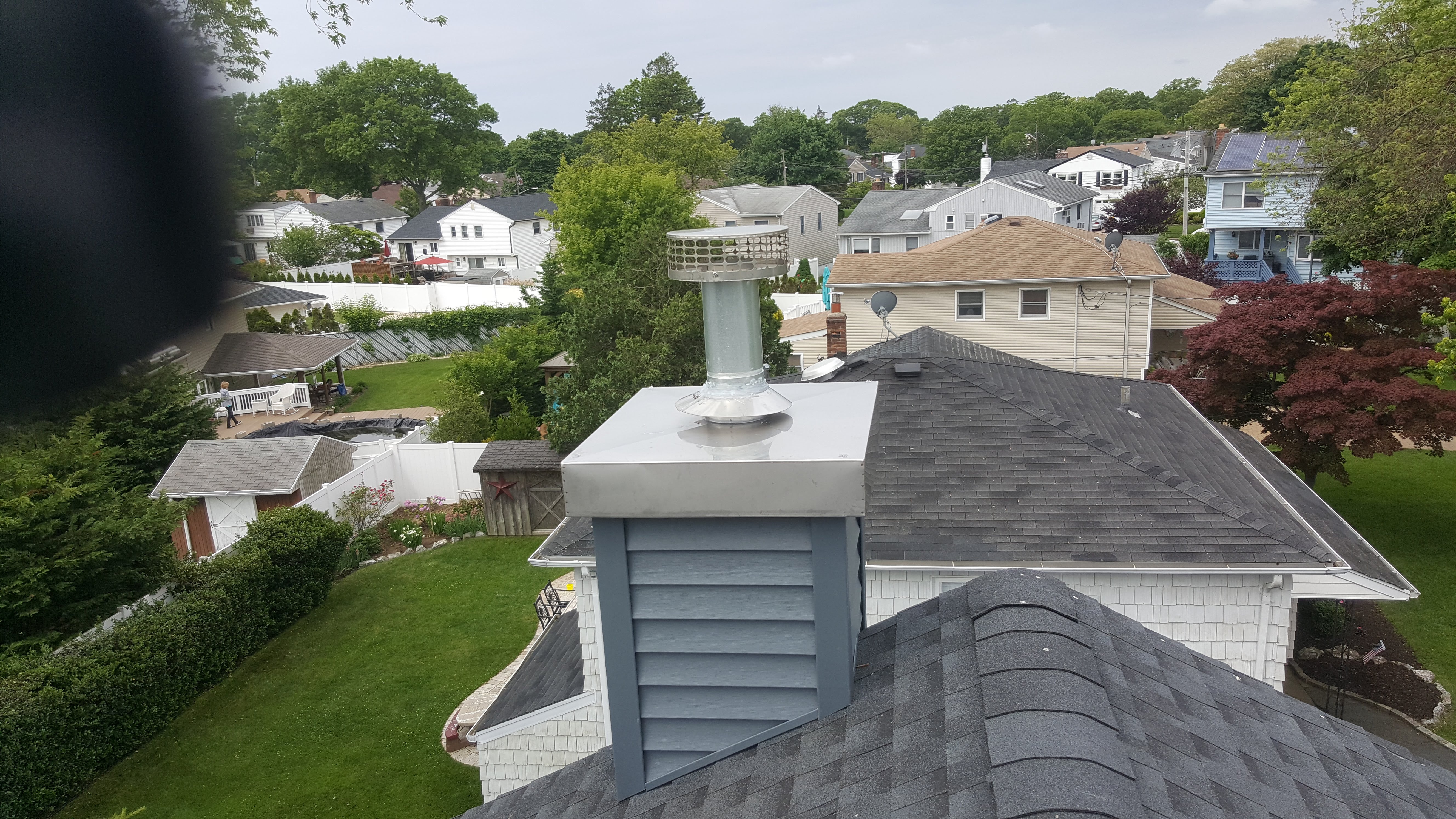
The chimney crown sits at the very top of your chimney stack, acting as a protective barrier between the harsh Suffolk County weather and everything below. Think of it as an umbrella for your entire flue system. On Long Island, where moisture and salt air are constant concerns, this concrete or mortar cap becomes even more critical. It slopes away from the flue opening and extends past the masonry edge, directing rain and snowmelt outward rather than allowing water to pool where it can seep into your system. When this crown fails, water doesn't just drip down inside your chimney. It infiltrates the interior structure, saturates the flue liner, and begins a chain reaction of damage that spreads to your damper, firebox, and even the framing around your chimney. For homeowners in East Islip, understanding the chimney crown's role is the first step toward protecting one of the most expensive structures on your property.
East Islip homeowners often inherit older homes built decades ago when chimney construction standards were quite different. Many of these residences rely on oil heating systems, and their chimneys work year-round to vent combustion byproducts safely outside. The chimneys that were built back then may not have had proper crowns installed at all, or they may have crowns made from simple mortar that simply cannot withstand the freeze-thaw cycles that strike on Long Island each winter. When you live near the water table and in an area that sees significant seasonal precipitation, a weak or missing crown becomes a ticking clock. Winter in East Islip brings ice formation, salt-laden air, and rapid temperature swings. Spring and fall rains come heavy and frequent. These seasonal pressures create ideal conditions for crown failure. A small crack that forms in November may seem insignificant, but by February, water has frozen inside that crack, expanded, and split it wider.
Cracked chimney crowns are the most common problem DME Maintenance encounters when we inspect homes across East Islip and the surrounding Suffolk County area. Cracks often start as hairline fractures that homeowners never notice from ground level. Over months, water enters through these cracks during rain or snowmelt. The water freezes at night and thaws during the day, forcing the crack open further with each cycle. Older mortar-based crowns crack more readily than concrete crowns because mortar is more porous and weaker under stress. Even concrete crowns eventually develop cracks as they age and the underlying masonry settles. Once cracking begins, it accelerates quickly. A crack that was merely cosmetic one year becomes a legitimate leak hazard the next. Residents of East Islip should never ignore crown damage, even if water hasn't entered the home yet. The goal is to stop water entry before it starts.
Water penetration through a damaged crown is insidious because homeowners may not see evidence of the problem immediately inside their homes. Water entering through crown cracks doesn't always drip straight down into your living space. Instead, it soaks into the masonry, runs down the outside of the flue tile, collects in the smoke chamber, and gradually degrades the firebox interior and damper seal. You might notice rust stains around your fireplace or smell an odd odor when the fireplace sits unused. In the worst cases, water reaches the chimney base and migrates into surrounding walls, leading to structural damage and mold growth that becomes very expensive to remediate. East Islip residents living near water sources should be especially vigilant. The proximity to the water table on Long Island means that any moisture path into your chimney becomes a serious concern. Prevention through crown repair is far easier and less costly than dealing with water damage inside your home.
The crown's sloped design is not decorative. That outward slope is important because it creates the drainage plane that keeps water moving away from the flue opening and off the chimney altogether. When a crown loses its slope due to settling, cracks, or poor original installation, water pools on the crown surface instead of draining away. This standing water has nowhere to go but down, directly into the chimney structure below. Homes in East Islip that were built on certain soil types are more prone to chimney settling, which can gradually alter the crown's pitch. Additionally, the crown edge must extend beyond the chimney face by at least one and a half inches on all sides to create a proper drip edge. If your crown was never built with adequate overhang, or if erosion has worn away the edge, water runs back under the crown and behind the masonry. DME Maintenance repairs chimney crowns specifically to restore and maintain these critical slope and overhang dimensions that protect your entire system.
Cracked crowns also allow freeze-thaw damage to accelerate throughout the chimney structure itself. Water entering through crown cracks penetrates the masonry bricks and mortar joints below the crown. When winter temperatures drop, this water freezes and expands. This expansion pressure cracks the mortar joints and spalls the brick faces. You'll see these damaged bricks crumbling away from the exterior of your chimney stack. East Islip homeowners sometimes notice loose brick pieces falling to the ground near their chimneys. This is almost always a symptom of water damage that originated from a failed crown. Once the outer masonry begins to fail, the interior flue tile and damper are exposed to further deterioration. The structural integrity of your entire chimney stack depends on that outer masonry staying intact and dry. A crown repair performed before significant freeze-thaw damage occurs stops this cascade of failures before they begin.
The seasonal timing of crown inspection and repair matters on Long Island because East Islip experiences distinct weather patterns that either hide or reveal crown problems. Late summer and early fall are ideal times to have your chimney crown inspected before the rainy autumn season arrives. If inspection reveals cracking or deterioration, repair work scheduled before heavy fall rains and winter weather prevents water from entering your system during the most damaging months. A crown that fails in November will suffer multiple freeze-thaw cycles through February and March. Waiting until spring to repair a damaged crown means accepting months of preventable water infiltration. Residents of East Islip benefit from proactive seasonal timing. Call for an inspection in August or September, well before the weather turns. This gives you time to address any crown issues and enter the winter season with confidence that your chimney is protected.
Our service area covers all of East Islip and the neighboring communities. Homeowners across East Islip have relied on DME Maintenance, a local Long Island-based chimney company, for annual chimney service for over two decades.
DME Maintenance has served East Islip and the broader Suffolk County, NY area since 2001, and crown repair is one of our core services. We inspect crowns carefully to determine whether they can be patched or need complete rebuilding. Small cracks in otherwise sound concrete crowns can be sealed with specialized patching compounds. Larger cracks, missing sections, or crowns with poor slope require complete removal and rebuilding. We use durable concrete formulations designed to withstand the salt air and freeze-thaw conditions that prevail on Long Island. Our work ensures your chimney crown provides the protection it was designed to deliver. East Islip homeowners can trust our experience and local knowledge for chimney crown repair.
Don't wait for visible water damage inside your home to address your chimney crown. Contact DME Maintenance today at 631-316-0622 to schedule an inspection before autumn rains and winter weather arrive. We serve East Islip and all of Suffolk County, NY with professional chimney service from a licensed, experienced team. The sooner you address crown damage, the sooner you protect your chimney, your home, and your confidence. Call 631-316-0622 now.