
The brick chimneys that rise from homes on Long Island face a relentless environmental assault. Every winter, moisture seeps into the mortar joints between bricks and freezes solid. Come spring, that ice expands and cracks the mortar further. This freeze-thaw cycle repeats year after year, breaking down the binding material that holds your chimney together. East Islip residents with older homes know this struggle well. Many properties here were built in the mid-twentieth century, when masonry craftsmanship was excellent but the materials themselves are now showing their age. Water infiltration follows deteriorated mortar like a shadow. Once moisture gets behind those cracked joints, it spreads deeper into the chimney structure and into adjacent walls.
Chimney pointing, also called tuckpointing, is the focused repair process that stops this damage in its tracks. The work involves carefully removing old, failed mortar from between the bricks and packing new mortar into those joints. When done properly, it restores both the structural strength and the weather resistance of your chimney. Think of mortar as the skin of your chimney. Without it, the bricks cannot do their job. East Islip homeowners often delay this repair because they don't see an immediate problem. But by the time water stains appear on interior walls or you notice mortar chunks falling, significant damage may already be underway. The sooner you address deteriorating mortar, the better your chimney weathers the next seasonal cycle.
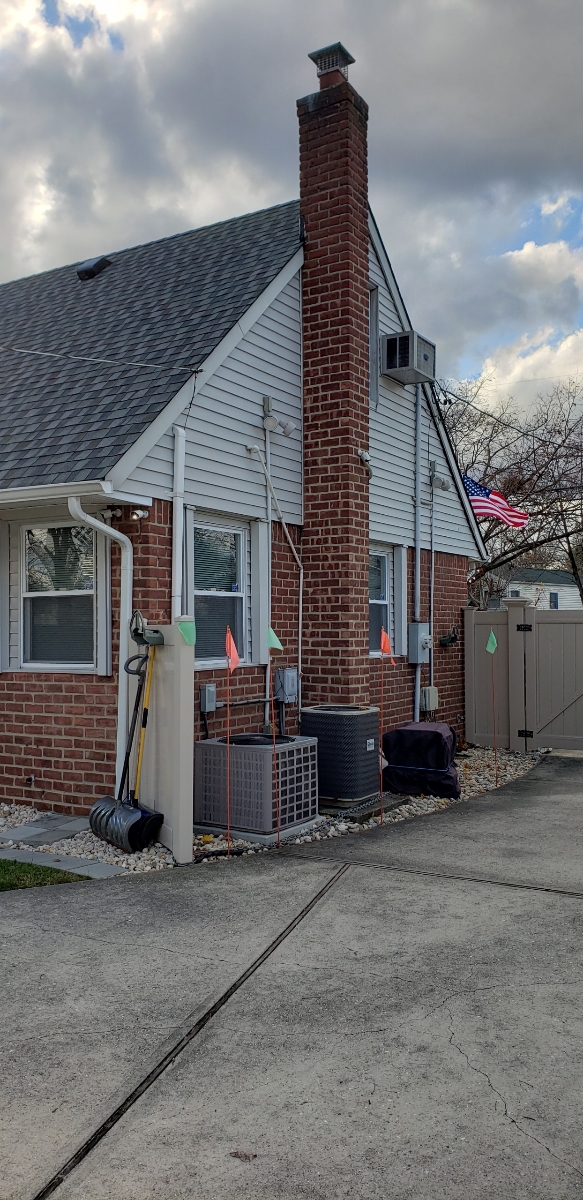
Homes on Long Island sit in an especially tough climate for masonry. Our proximity to coastal air means salt spray accelerates mortar deterioration. Our heavy seasonal swings between cold and warm create those damaging freeze-thaw cycles. Winter mornings in East Islip can drop below freezing while afternoons warm up enough for snow to melt. This constant movement stresses the mortar joints every single day from November through March. Oil heating systems remain common across Long Island, including in East Islip. Many oil-heated homes rely on their chimneys daily, and a structurally sound chimney is important for safe operation and proper draft. Pointing work ensures that your chimney can handle the demands of heating season without letting water infiltrate your home.
The best time for chimney pointing on Long Island is spring and summer, when fresh mortar can cure properly. Mortar needs warm, dry conditions to set and gain strength. Attempting the work in fall or winter leaves new mortar vulnerable to rain, frost, and freeze damage before it hardens. East Islip residents planning pointing work should schedule it for May through September, when the weather cooperates with the curing process. If your chimney has visible mortar gaps, efflorescence (white chalky deposits), or loose bricks, you shouldn't wait until your chimney fails. Early intervention prevents costlier structural repairs down the road. A professional mason can assess your mortar's condition and recommend the right timing for your home.
What makes chimney pointing different from other masonry repairs is the precision it demands. Not every brick needs repointing. A skilled mason examines each joint carefully, testing mortar hardness and checking for active deterioration. Then the old mortar is cut out to a proper depth, typically three to four times the width of the joint. New mortar is mixed to match the original composition, color, and strength. East Islip homeowners benefit when their mason understands local climate challenges and soil conditions. The mortar formula for coastal Suffolk County homes might differ slightly from inland properties. Proper mortar composition ensures your chimney can move and shift slightly without cracking. Over-hard mortar actually causes more problems than slightly softer mortar on older masonry.
Water damage from failed mortar creates problems far beyond the chimney itself. Moisture that enters through cracked joints can travel into the chimney structure, through the flashing at the roof line, and into your attic or walls. This leads to wood rot, mold growth, and insulation damage. Homes on Long Island with older basements or crawl spaces may see dampness spreading from chimney failures. The cost of remediating water damage in walls or attics far exceeds what proper pointing would have cost. East Islip residents who notice water stains near their chimney should not ignore them. These are warning signs that mortar failure is already allowing moisture infiltration. Professional inspection reveals whether the problem is limited to the mortar or has spread into the structure behind the brick.
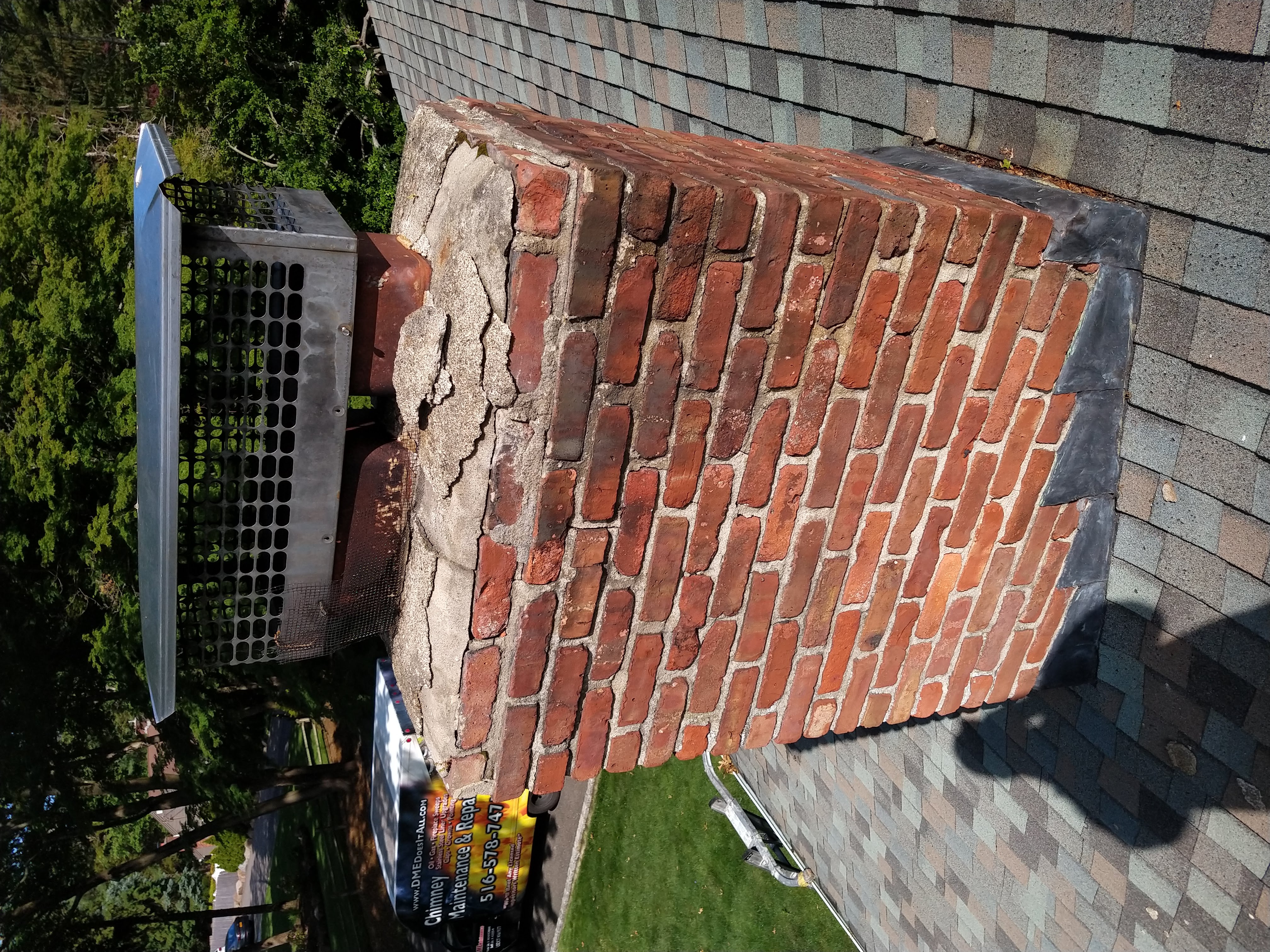
The visible signs of mortar failure often appear gradually. You might notice small puffs of mortar dust when rain hits the chimney. Mortar joints begin to look recessed or shadowed rather than flush with the brick face. In East Islip, homes subjected to decades of harsh weather show this deterioration most obviously on the chimney's weather-facing sides. The north and east sides of East Islip chimneys typically fail first because they receive less direct sun and stay damp longer. Close inspection with binoculars from the ground can reveal which joints need attention. A mason can walk the roof safely and document the condition more thoroughly. Early pointing repairs might target only the worst joints, extending the life of your chimney affordably.
Proper mortar selection matters tremendously for Long Island masonry. Modern high-strength mortar can actually damage old brick chimneys because it's too hard and doesn't flex with the structure. Softer, lime-based mortar works better with older homes common in East Islip. The mortar should be slightly weaker than the brick itself. This sounds counterintuitive, but it allows the mortar to sacrifice itself while protecting the more expensive brick. Repointing work on homes on Long Island requires a mason who understands this balance. Using the wrong mortar type can look good initially but fail faster than original mortar. East Islip homeowners should ask their contractor about the mortar mix and why it's appropriate for their specific chimney age and brick type.
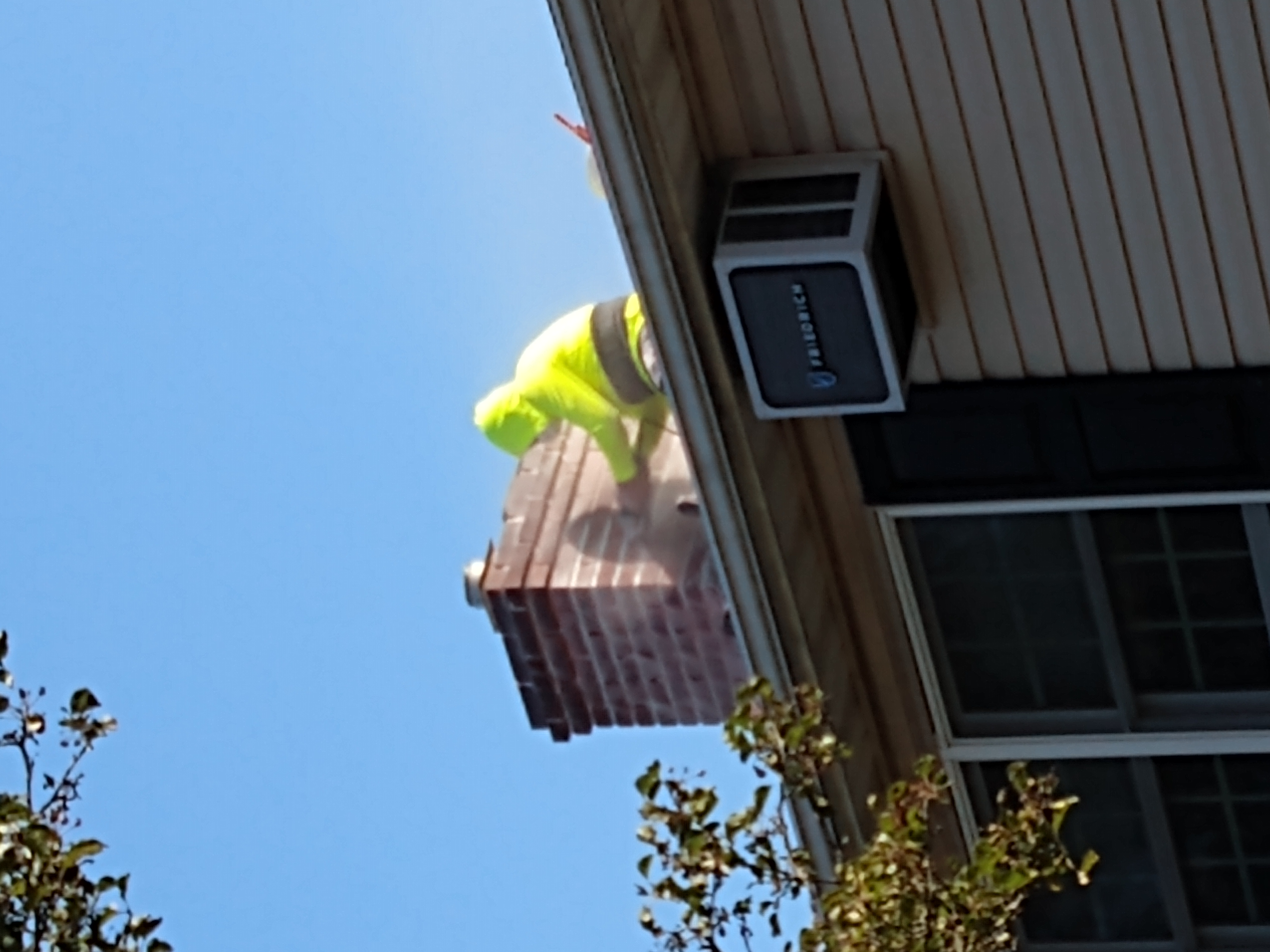
A chimney pointing project in East Islip typically involves multiple steps and some planning. First, the mason assesses the chimney from ground level and the roof. Tarps or protective barriers may be set up to manage mortar dust and debris. The deteriorated mortar is cut out using tools that avoid damaging adjacent bricks. This step is slower and more careful than you might imagine. Cutting out mortar too aggressively can chip brick edges or over-widen joints. Once old mortar is removed, joints are cleaned of dust and debris. The area is then slightly dampened so the brick doesn't pull moisture from new mortar too quickly. Fresh mortar is packed in and carefully tooled to match the original joint profile. The entire process on a typical East Islip chimney can take several days.
After pointing is complete, the new mortar needs time and proper conditions to cure. Fresh mortar should not be exposed to heavy rain for at least several days. It should not freeze before it hardens. This is precisely why spring and summer scheduling matters so much for homes on Long Island. A rainstorm during curing can damage fresh mortar joints and require rework. East Islip residents should expect their mason to discuss care instructions for the freshly pointed chimney. Typically, you should avoid using the fireplace or stove for a week or more if interior heat and smoke would accelerate curing abnormally. Proper curing produces mortar that lasts decades rather than years.
Our service area covers all of East Islip and the neighboring communities. Homeowners across East Islip have relied on DME Maintenance, a local Long Island-based chimney company, for annual chimney service for over two decades.
Maintaining your chimney between professional pointing jobs helps extend its life. Inspecting mortar joints annually from the ground takes just minutes. Look for widening cracks, loose mortar, or areas where new deterioration is beginning. After heavy freeze-thaw winters, damage tends to accelerate. Homes on Long Island benefit from a post-winter chimney look-over. Early detection of isolated joint failures allows you to address small problems before they grow. A mason can sometimes perform targeted touch-up pointing on just a few failing joints rather than repointing the entire chimney. East Islip homeowners who stay on top of chimney maintenance avoid sudden emergency repairs.
If your chimney is showing mortar damage or you've noticed moisture issues in your home, now is the time to act. DME Maintenance has served East Islip and the surrounding Suffolk County, NY area since 2001, and DME Maintenance knows the specific challenges that Long Island chimneys face. Call us at 631-316-0622 to schedule a professional chimney evaluation. Our experienced masons will assess your pointing needs and recommend the best approach for your home. Spring and summer is when we have the most availability for this type of work. Don't let another freeze-thaw cycle cause additional damage to your chimney. Reach out today and protect your home from water infiltration and structural failure.