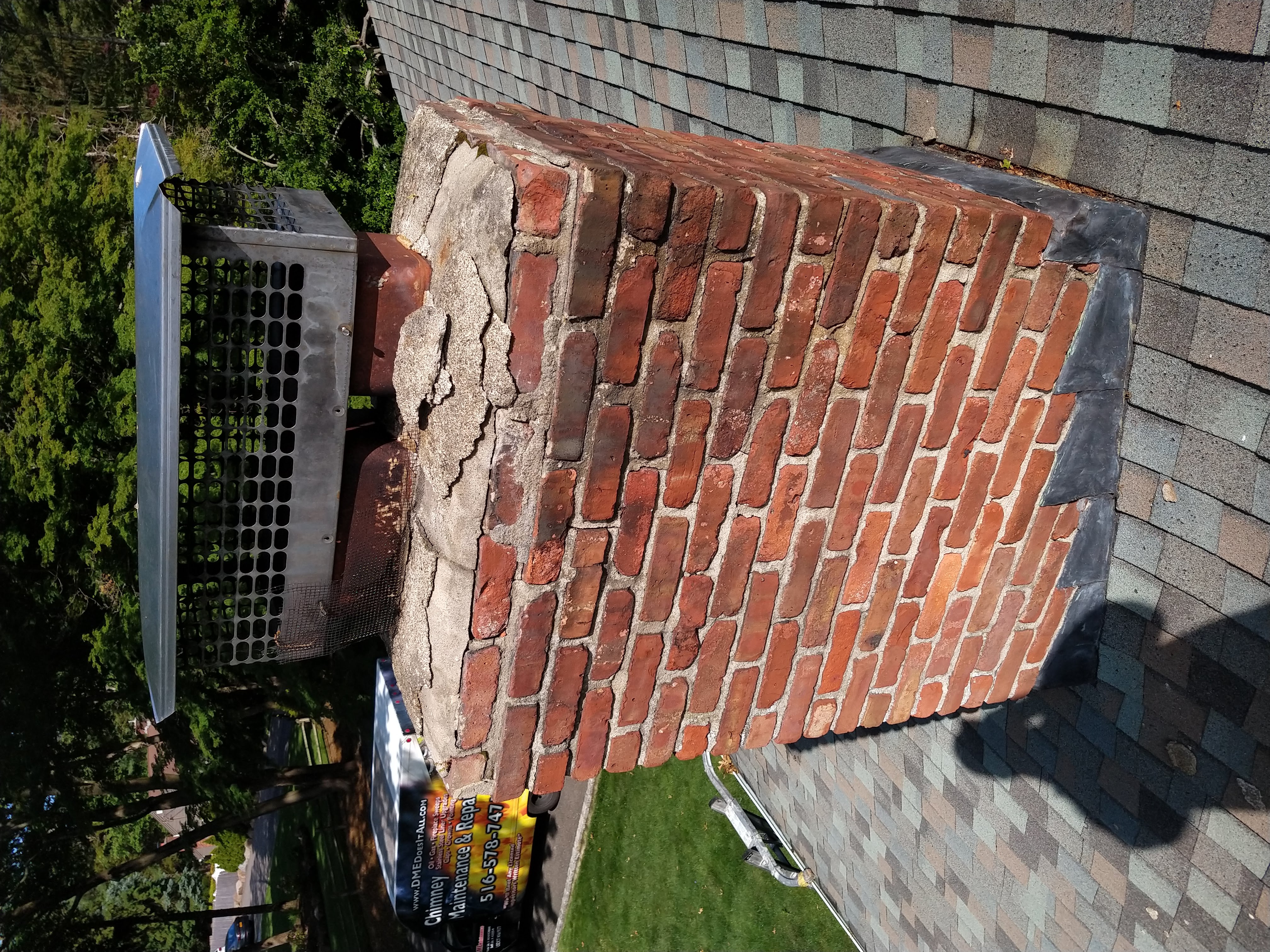
Chimneys on Long Island face unique challenges that homeowners in Patchogue often underestimate. The region's freeze-thaw cycles, salt-laden air from proximity to Long Island Sound, and seasonal moisture swings create constant stress on mortar joints. Over time, the mortar that holds your chimney's bricks together deteriorates. It cracks, crumbles, and fails to seal properly. Water seeps in. Brick begins to soften and spall. What starts as a small cosmetic issue becomes a structural problem that threatens your entire chimney system.
Pointing and tuckpointing are specialized repair techniques that address this deterioration directly. Pointing refers to repairing mortar joints on the exterior face of your chimney. Tuckpointing involves removing failed mortar, filling joints with new material, and finishing with a fine line of contrasting mortar for both aesthetics and protection. The process sounds simple, but execution requires skill and experience. Patchogue homeowners benefit from work done by someone who understands local weather patterns and chimney construction.
Many homes in Patchogue were built decades ago when masonry standards differed from today. Older mortar often contains natural hydraulic lime. Modern portland cement mortars, while stronger, can actually damage historic chimneys if applied incorrectly. The mismatch causes accelerated brick deterioration because the harder mortar won't flex as the softer brick moves with temperature changes. DME Maintenance evaluates your specific chimney construction and recommends mortar formulations that match your structure's needs.
Spring and summer represent ideal seasons for chimney pointing work on Long Island. Warmer temperatures and lower humidity allow mortar to cure properly and develop full strength. Patchogue residents who schedule pointing work during these months avoid the complications that winter weather brings. Cold temperatures slow curing dramatically. Moisture in the air interferes with the bonding process. Rain can wash away freshly applied mortar before it sets. Waiting for suitable weather ensures better results and longer-lasting repairs.
Water infiltration stands as the primary consequence of failed mortar joints. When mortar deteriorates, water doesn't just drip down the outside of your chimney. It penetrates the brick, saturates the flue liner, and enters the surrounding wood framing inside your home. This moisture promotes mold growth, rots structural timbers, and creates interior water stains on ceilings and walls. Patchogue homeowners who notice water damage near their fireplace should suspect chimney mortar failure. Professional inspection pinpoints the problem before damage spreads deeper into your home.
The freeze-thaw cycle that characterizes Long Island winters accelerates chimney deterioration at an alarming rate. Water trapped in brick and mortar freezes when temperatures drop below 32 degrees. Expansion follows. The brick and mortar joints experience constant pushing and pulling. Each freeze-thaw cycle weakens the bonds slightly. By spring, visible cracks appear. By the following winter, those cracks have widened significantly. Patchogue homes lose this protection faster when original mortar has already begun to fail. Early intervention through pointing work prevents this destructive cycle from causing expensive structural damage.
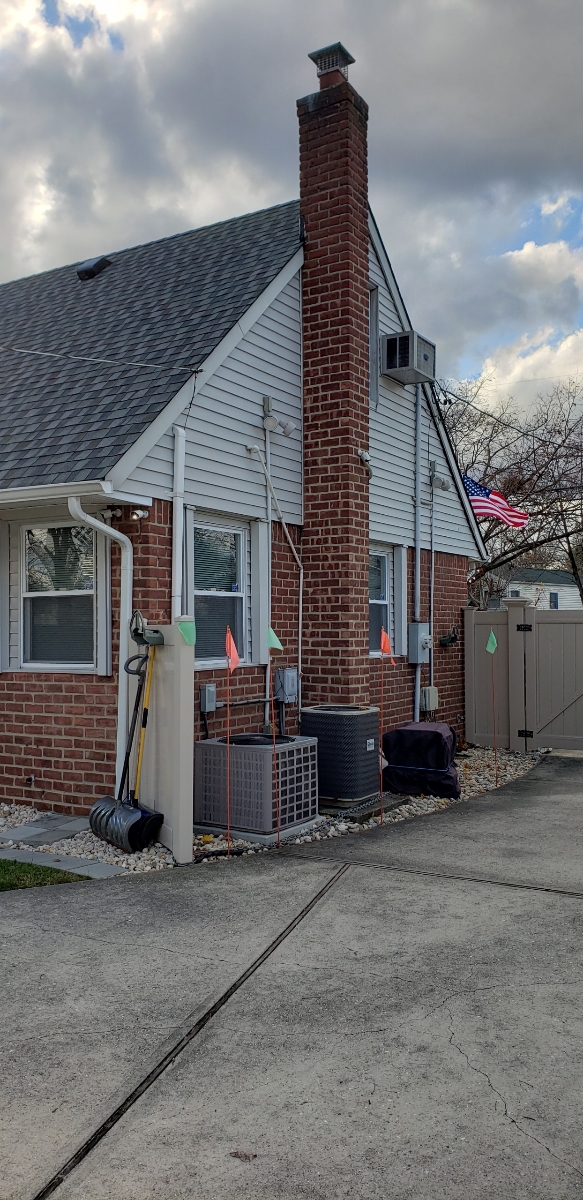
The location of your chimney affects how quickly mortar deteriorates. Chimneys exposed to direct wind and rain weather more severely than those protected by roof overhangs. On Long Island, many homes feature chimneys on the windward side, receiving constant exposure to weather systems moving in from the Atlantic. Homes in Patchogue near bodies of water experience additional salt spray that degrades mortar faster than inland properties. These environmental factors make regular inspection and timely mortar repair important for protecting your investment.
Recognizing signs of mortar failure helps Patchogue homeowners act before serious damage occurs. Visible cracks in mortar joints are the most obvious indicator. Mortar that crumbles when touched or flakes away in chunks signals advanced deterioration. White staining or efflorescence on chimney brick indicates water movement through failed joints. Loose bricks or tilting chimneys suggest structural compromise. If your fireplace smells damp or you notice water seeping around the hearth, mortar failure may be the culprit. DME Maintenance performs thorough inspections to assess your chimney's condition.
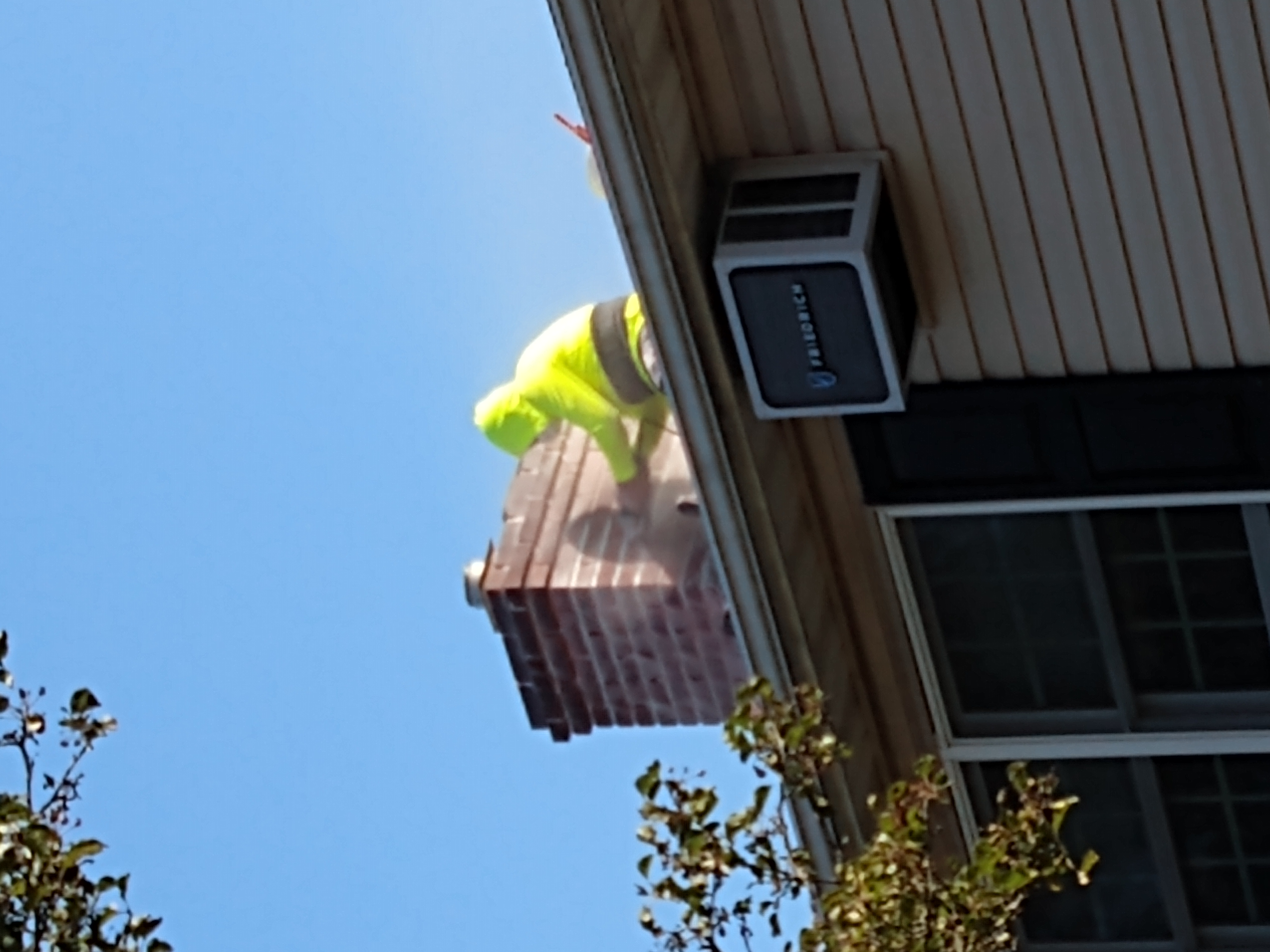
Professional pointing work restores your chimney's ability to shed water and protect your home. The process begins with careful removal of damaged mortar using specialized tools. This controlled removal prevents unnecessary damage to surrounding brick. New mortar, selected to match your chimney's original composition and appearance, is then packed firmly into the joints. Proper technique ensures complete fill with no voids or air pockets. Finishing work creates a professional appearance while maintaining functionality. Homes in Patchogue deserve this level of craftsmanship.
Many Patchogue homeowners heat their homes with oil-fired systems that rely on chimney venting for safe operation. A chimney with failed mortar joints cannot vent combustion gases reliably. Moisture from condensing gases corrodes flue liners and accelerates interior deterioration. Beyond safety, heating efficiency suffers when moisture interferes with proper draft. Well-maintained mortar joints protect your heating system's performance and longevity. This practical benefit complements the structural advantages of timely chimney pointing work.
DME Maintenance has served residents throughout Suffolk County, NY since 2001. Our license number is All services provided by DME Maintenance · Suffolk County License #H-43223. We bring deep knowledge of Long Island chimney conditions to every project. When you need pointing or tuckpointing work in Patchogue, contact us at 631-316-0622. Spring and summer schedules fill quickly as homeowners prepare their chimneys for another season. Don't wait for visible damage or water problems to develop. Call today to schedule your inspection and discuss how professional pointing work can protect your home for decades to come.