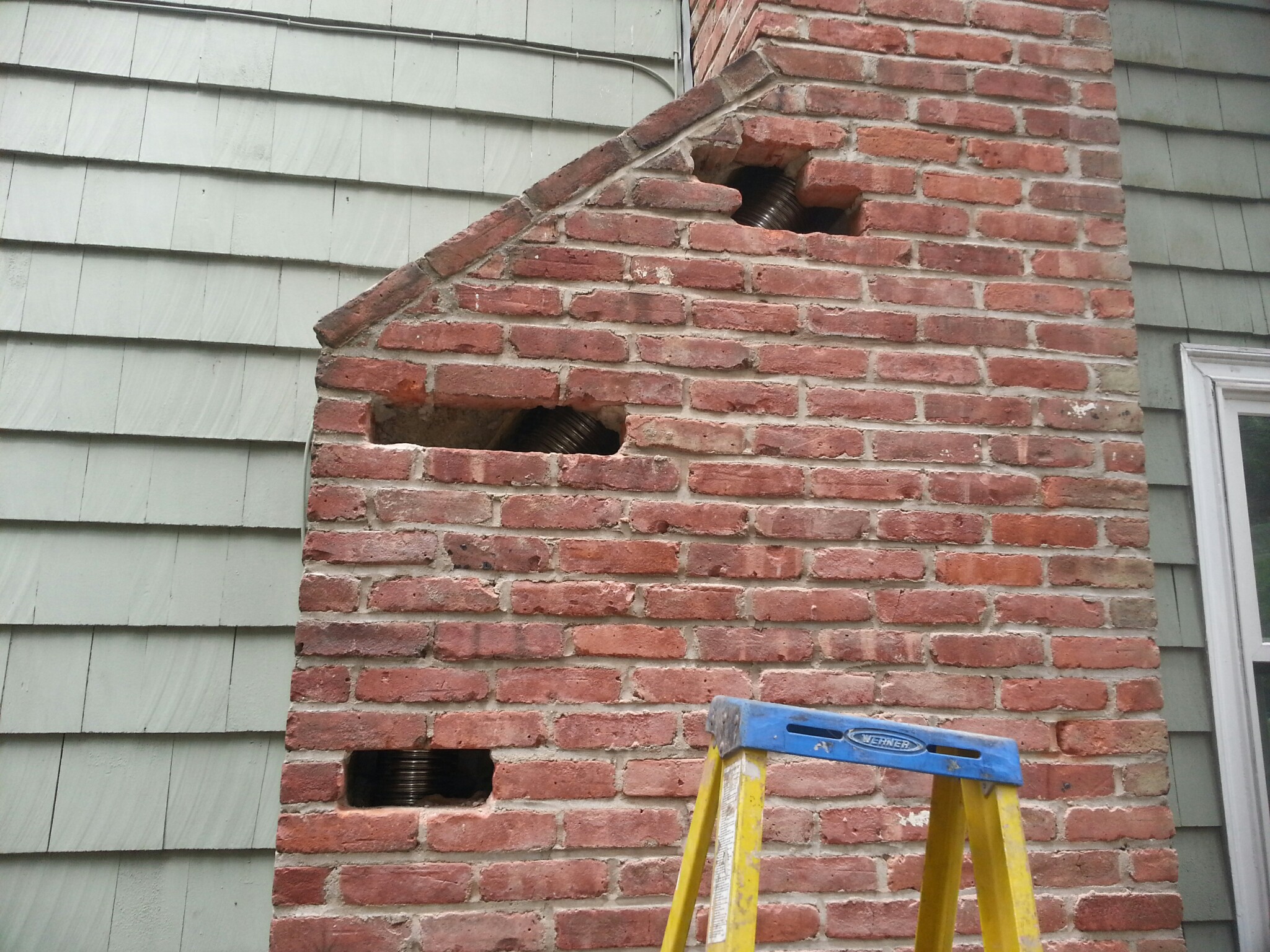
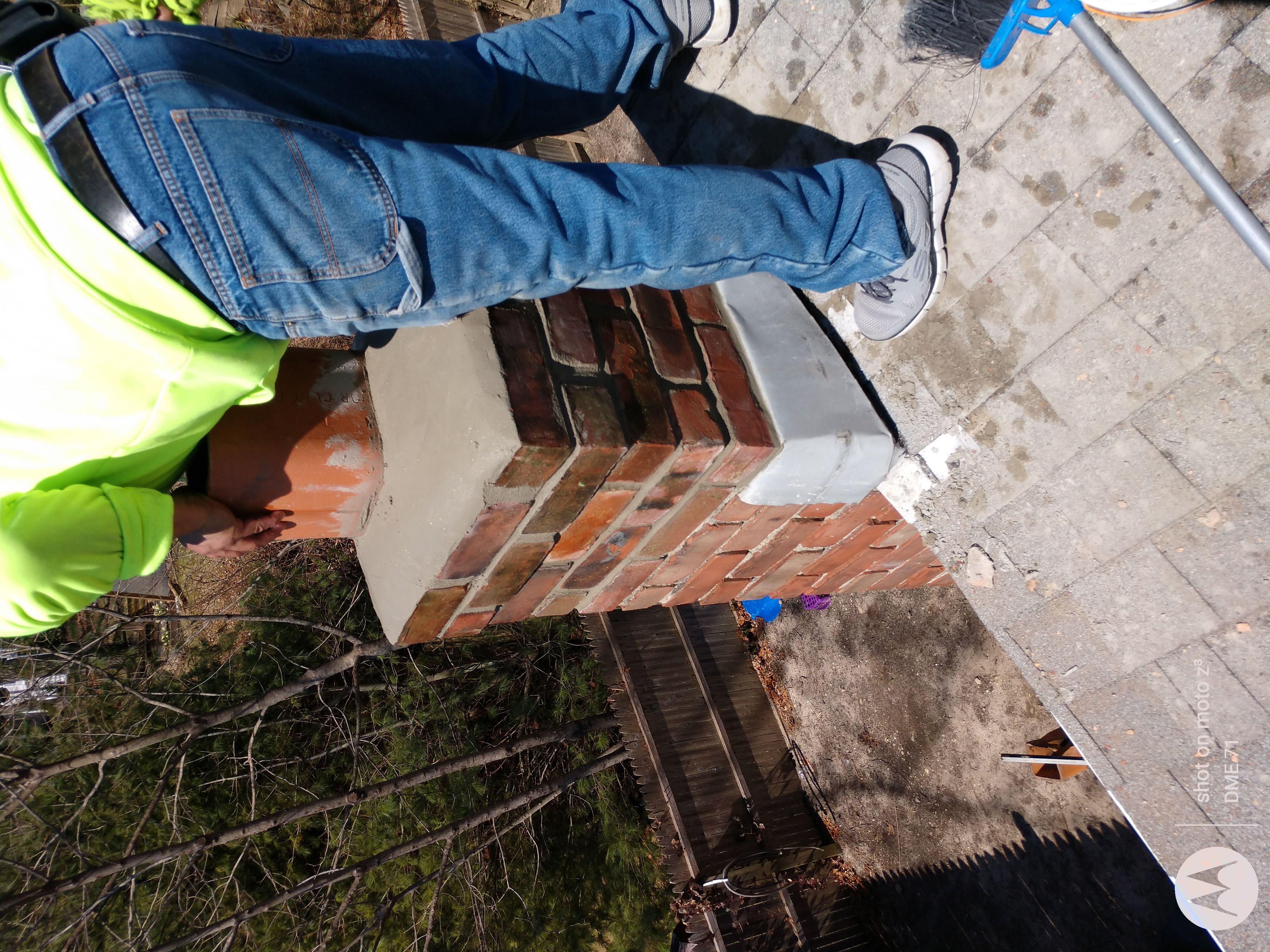

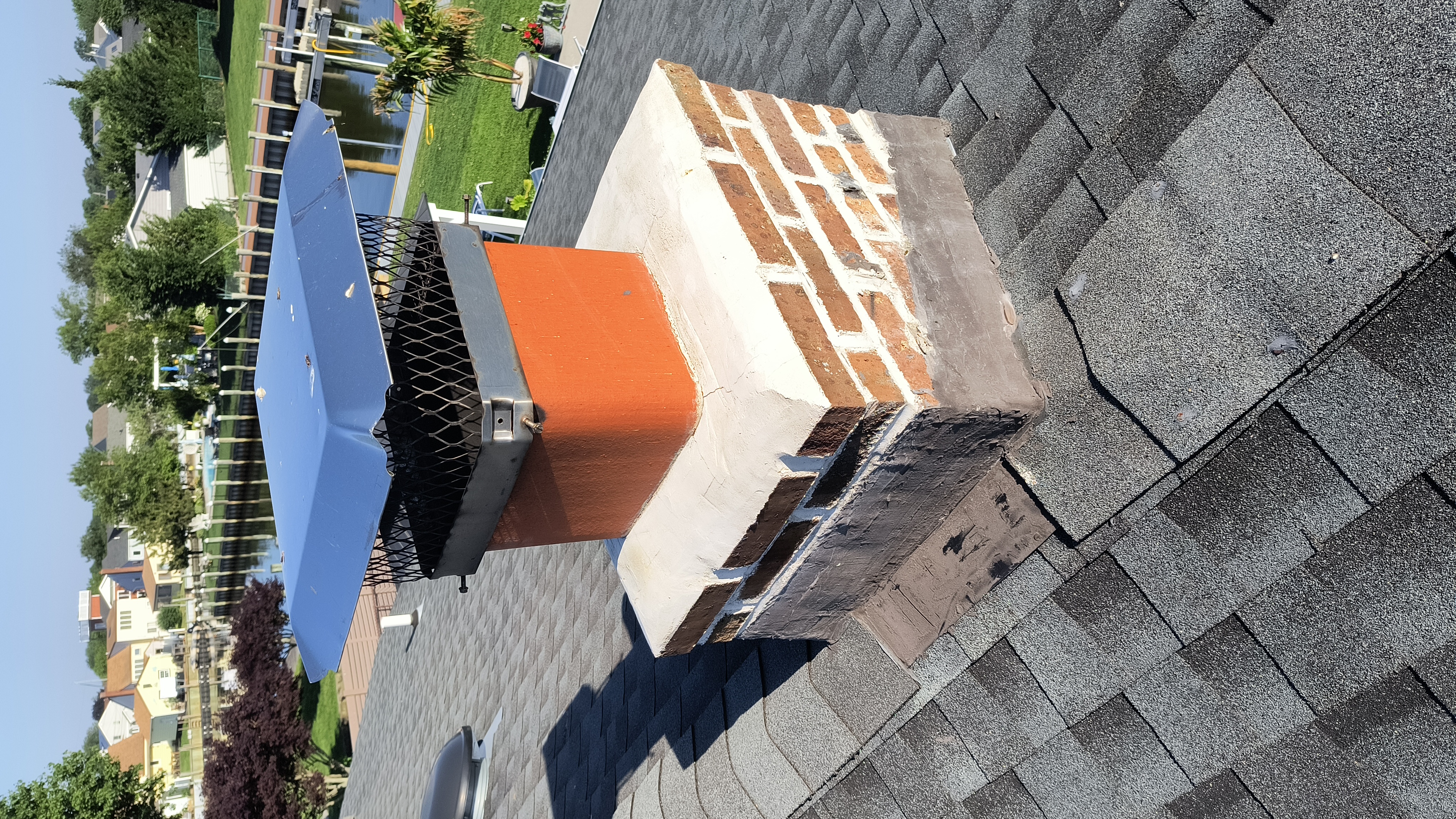
Homes on Long Island are built to withstand demanding weather, but chimneys often take the brunt of exposure that other parts of your house avoid. In Patchogue, where many residences date back several decades and rely on oil heat systems common throughout the region, chimney maintenance becomes especially important. The freeze-thaw cycles of Suffolk County, NY winters, combined with salt air from nearby water bodies, create conditions that accelerate brick and mortar deterioration. What starts as minor crumbling between bricks can quickly progress into structural problems that affect your home's safety and efficiency. DME Maintenance has spent 2001 helping homeowners in Patchogue catch these issues before they spiral into expensive emergencies.
Mortar joints are the first line of defense for any chimney structure, yet they're also the first thing to fail in Patchogue's coastal climate. The mortar holding your brick courses together absorbs moisture and freezing temperatures that naturally cause expansion and contraction. When joints begin to crumble or separate from the brick, water finds its way inside. Patchogue homeowners often don't realize this is happening until they notice water stains on interior walls or smell dampness in their fireplace area. A professional inspection can reveal joint deterioration long before visible interior damage appears. This early intervention prevents the much costlier repairs that come from prolonged water intrusion into your chimney structure.
Brick itself tells a story of age and exposure, and many properties in Patchogue have chimneys showing their years through spalling and fracturing. Spalling occurs when moisture penetrates the brick surface and freezes, forcing small pieces of the brick face to pop off. In Suffolk County, NY, where winter temperatures regularly dip below freezing, this cycle repeats relentlessly every season. Once bricks begin spalling, the problem accelerates because damaged bricks absorb even more water than sound ones. Patchogue homeowners should understand that individual damaged bricks can often be replaced rather than requiring complete chimney reconstruction. Addressing these damaged sections promptly protects the surrounding masonry from spreading deterioration.
Water intrusion stands as the silent threat lurking behind many chimney problems in Patchogue. It enters through cracked mortar, damaged brick, missing chimney caps, or deteriorated flashing where the chimney meets your roofline. Once inside, water travels downward through your chimney structure and into your home's interior spaces. The damage it causes extends beyond visible staining; moisture promotes mold growth, weakens wood framing, and compromises the insulation in your walls. Patchogue homes near the water face even greater moisture challenges due to humidity levels and salt-laden air. Protecting your chimney from water penetration is one of the most important investments you can make in your home's longevity.
The structural integrity of your chimney depends on how well all its components work together as a unified system. The foundation, brick courses, mortar joints, chimney crown, flashing, and cap all serve specific purposes in keeping water and weather outside your home. When any single component fails, stress redistributes across the remaining parts, often causing secondary damage in unexpected areas. A chimney that's leaning slightly, for example, places unusual strain on mortar joints and can accelerate their failure. Patchogue homeowners should never assume one small problem is isolated. A thorough inspection reveals how existing damage is affecting the entire structure, allowing for a repair strategy that addresses root causes rather than just symptoms.
Many chimney problems in Patchogue develop gradually over years, making seasonal inspections valuable for catching changes before they become serious. Spring and fall offer ideal times to assess your chimney's condition after experiencing the previous season's weather challenges. Winter's freeze-thaw cycles test every crack and weak joint. Summer's heat can accelerate the drying and shrinking of mortar, opening new gaps that water will later exploit. Patchogue homeowners who schedule regular inspections develop a clear picture of how their chimney ages year to year. This knowledge helps you prioritize repairs and avoid being surprised by sudden failures that could impact your heating system's operation during cold months.
The proximity of many Patchogue properties to Long Island Sound and local waterways creates a unique maintenance environment. Salt air accelerates corrosion of metal components and chemical breakdown of mortar. Humidity levels remain higher near the coast compared to inland areas, meaning moisture problems develop faster and more severely. Properties in Patchogue built decades ago often used mortar compositions that don't perform well under these specific coastal conditions. Modern repair approaches account for this reality, using materials and techniques suited to Suffolk County, NY's waterfront climate. Understanding your chimney's exposure level helps explain why maintenance matters more here than in many other regions.
Brick damage and mortar joint failure work in tandem, each problem making the other worse faster than either would alone. Deteriorating mortar exposes brick edges to direct water contact, which causes spalling and fracturing. Damaged bricks then create channels where water concentrates, undermining adjacent mortar joints. This cycle repeats downward through your chimney's height until the damage becomes visually obvious and potentially hazardous. Patchogue homeowners benefit from understanding this relationship because it explains why addressing small mortar issues immediately prevents exponentially larger brick damage. Early intervention breaks this destructive cycle and preserves the sound masonry that likely has decades of useful life remaining.
Your chimney's crown sits at the top, exposed directly to weather while protecting the interior of your chimney from rain and debris. On Long Island, where weather can shift dramatically between seasons, the crown experiences constant thermal stress. Cracks in the crown allow water to pour into your chimney rather than shed it away. Many chimneys in Patchogue have crowns that were never properly constructed or have deteriorated significantly since installation. The crown's condition directly affects how much maintenance your entire chimney will require from here. A properly functioning crown can prevent many of the problems that create expensive repair bills.
Flashing is the often-overlooked component where your chimney connects to your roof, yet it's critical for keeping water outside your home. Poor flashing installation, deterioration over time, or misalignment during roof work all create pathways for water to enter. Patchogue homes with older flashing systems often have water intrusion problems that seem to defy diagnosis until a professional examines the flashwork carefully. The interface between chimney and roof is one of the most vulnerable spots on any home's exterior. Flashing must create a tight seal and direct water away from both the chimney exterior and the surrounding roof. When it fails, water entry becomes inevitable within a few seasons.
DME Maintenance serves Patchogue homeowners with the experience and local knowledge that comes from working on the region's varied housing stock for 2001. We understand how Suffolk County, NY's coastal climate affects different chimney conditions and what repair approaches work best in this specific environment. Whether your chimney shows obvious damage or you simply want to confirm its condition is sound, DME Maintenance provides honest assessment and straightforward recommendations. Call us at 631-316-0622 today to schedule an inspection. The cost of identifying problems early is minimal compared to the expense of allowing damage to progress. Don't let another season pass without knowing your chimney's true condition.